08 Nov Italia!
My travel companion (Lisa) and I spent 15 nights in Italy last month: Naples, Siena, Tuscany (by car), Cinque Terre, Florence, and Venice. Here are 12 things I didn’t know about Italy:
2) Dinner starts at 7:00 PM. You’ll be offered 3-5 courses. You don’t have to order from each course. You are expected to take your time. Nobody will encourage you to leave—in part because wait staff are paid a living wage. No tipping. No rush.
3) Italians are very polite: always say “per favore” and “grazie,” and shopkeepers greet and send off each customer. However, they are not chatty or chummy with strangers. In fact, they will avoid eye contact as you pass on the street. Very unlike Americans, who will smile and greet just about anybody they meet, even going so far as to invite them home for dinner.
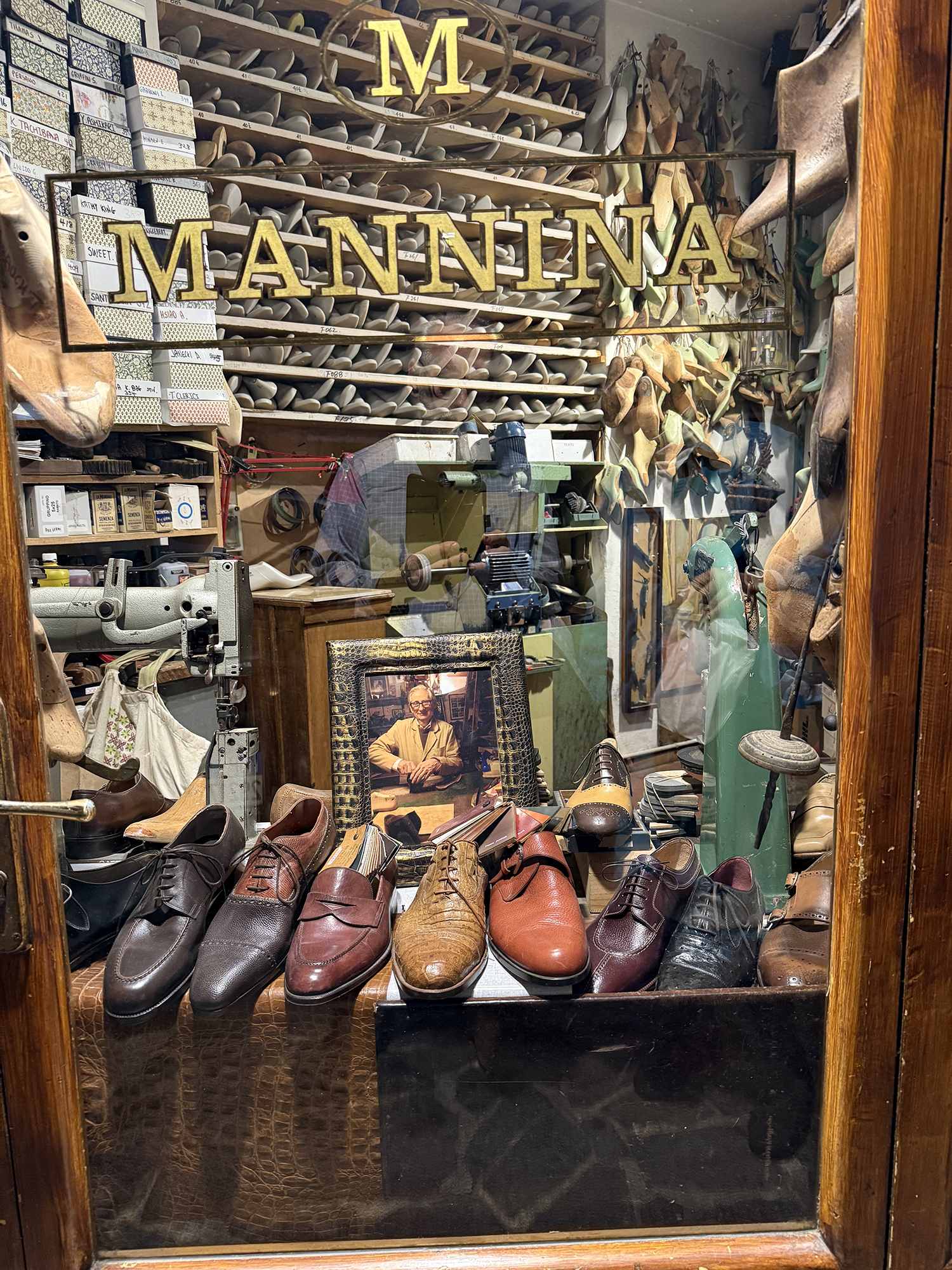
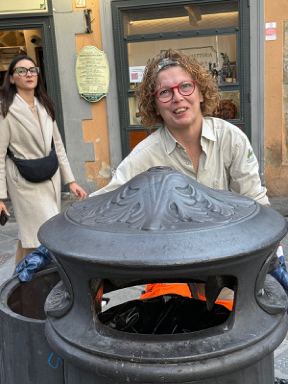
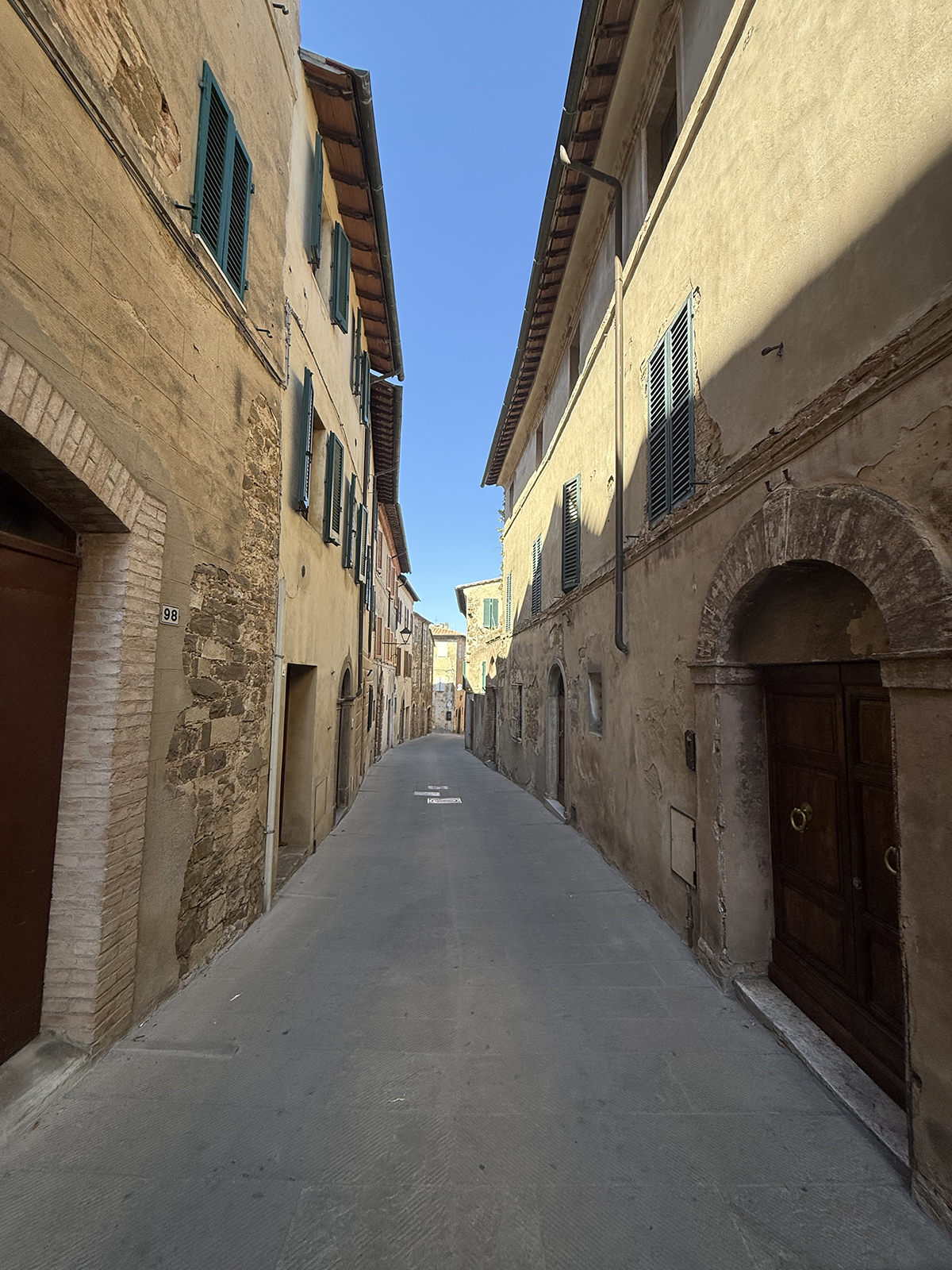
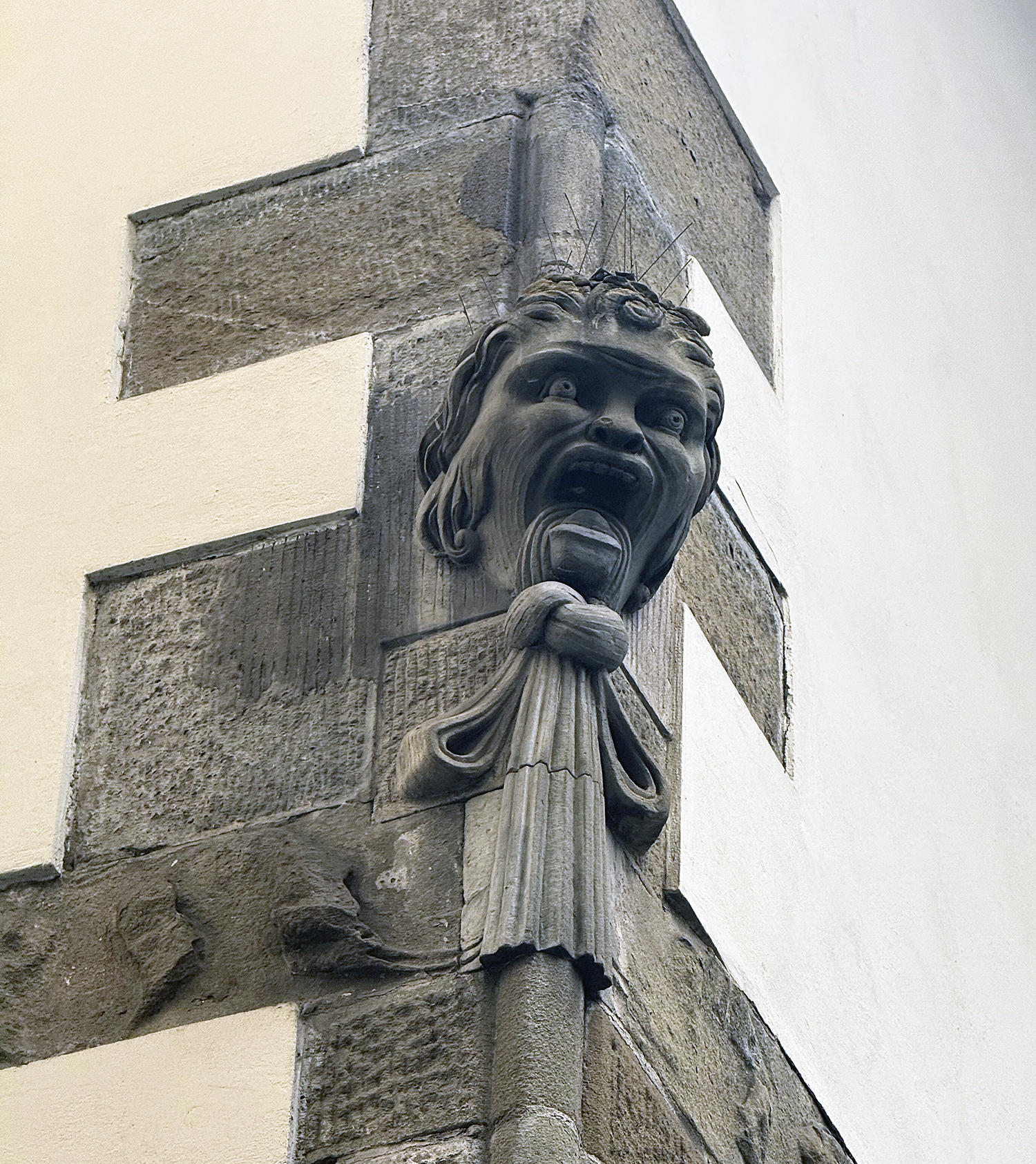
.

Highlights:
We visited a lot of outdoor markets, which thrive in the narrow streets of larger cities. You can make a fabulous lunch from their goodies. Best bread—a loaf the size of a dinner platter—came from Naples. With grilled eggplant, sauteed zucchini with tomatoes, marinated olives, and three kinds of cheeses, we feasted on the (high-speed) train to Florence.
Florentia, meaning “flowering” or “flourishing”. The English name “Florence” is an Anglicized version that developed as a way for foreign speakers to adapt the name to their own language.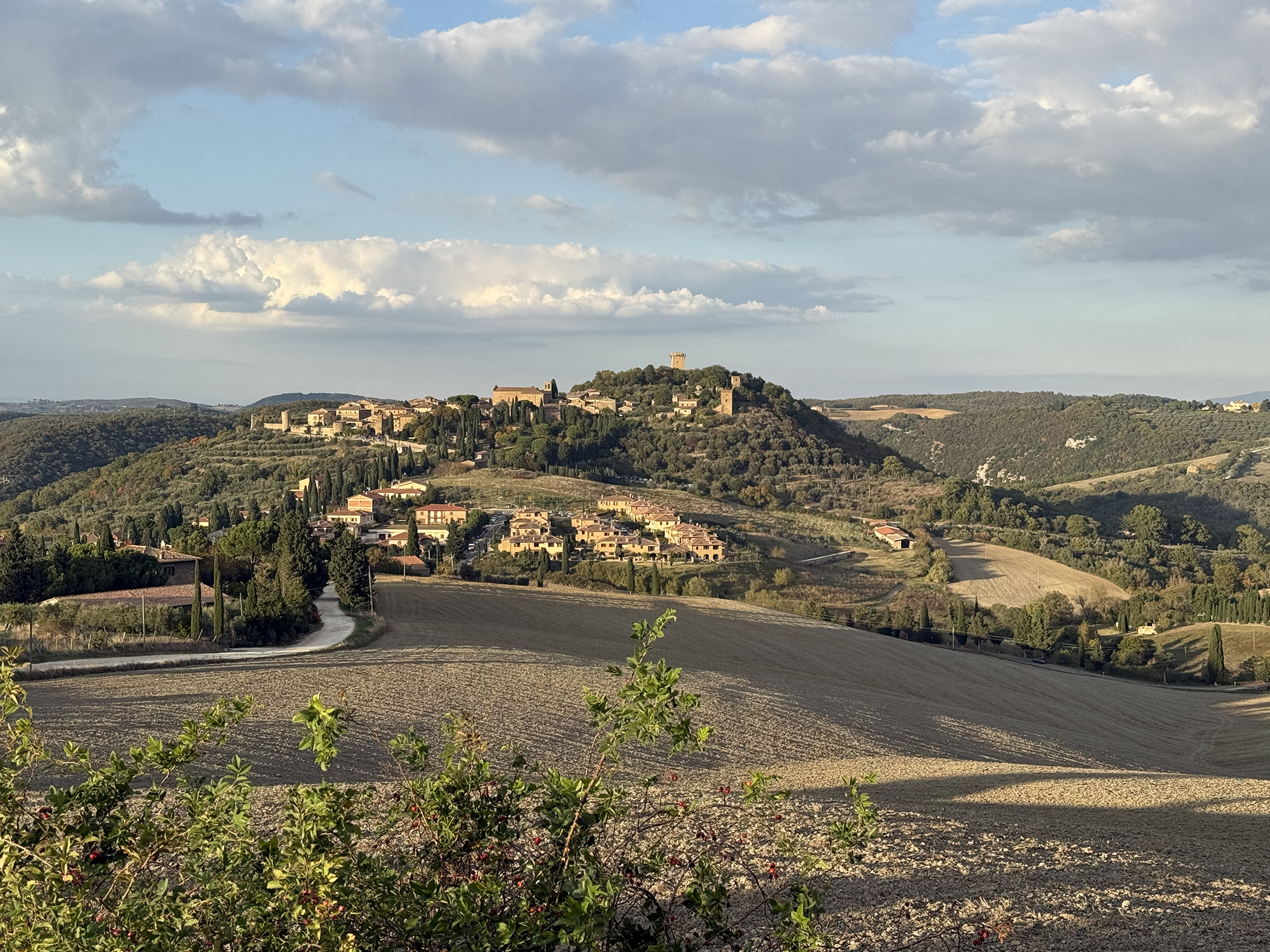
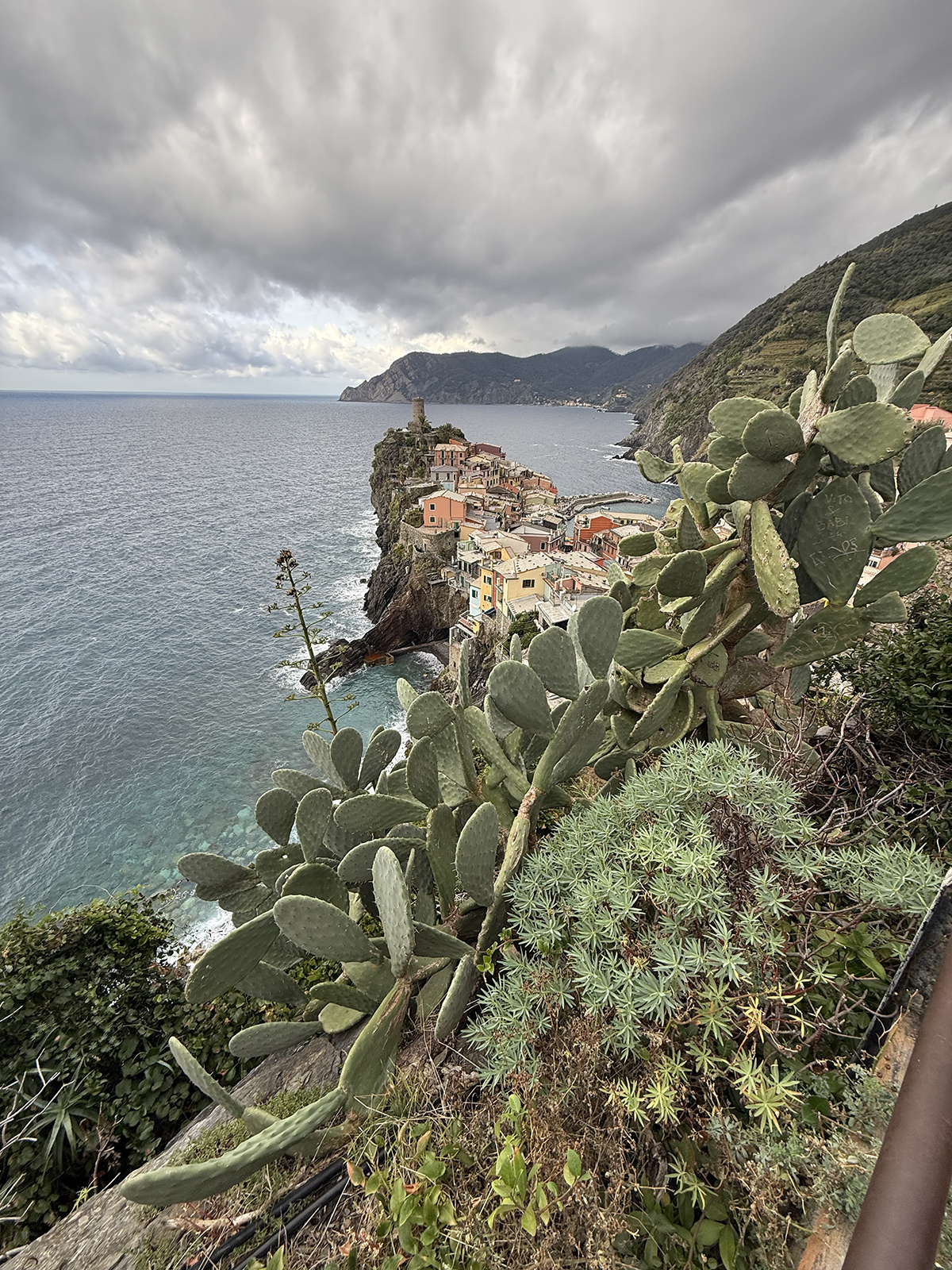
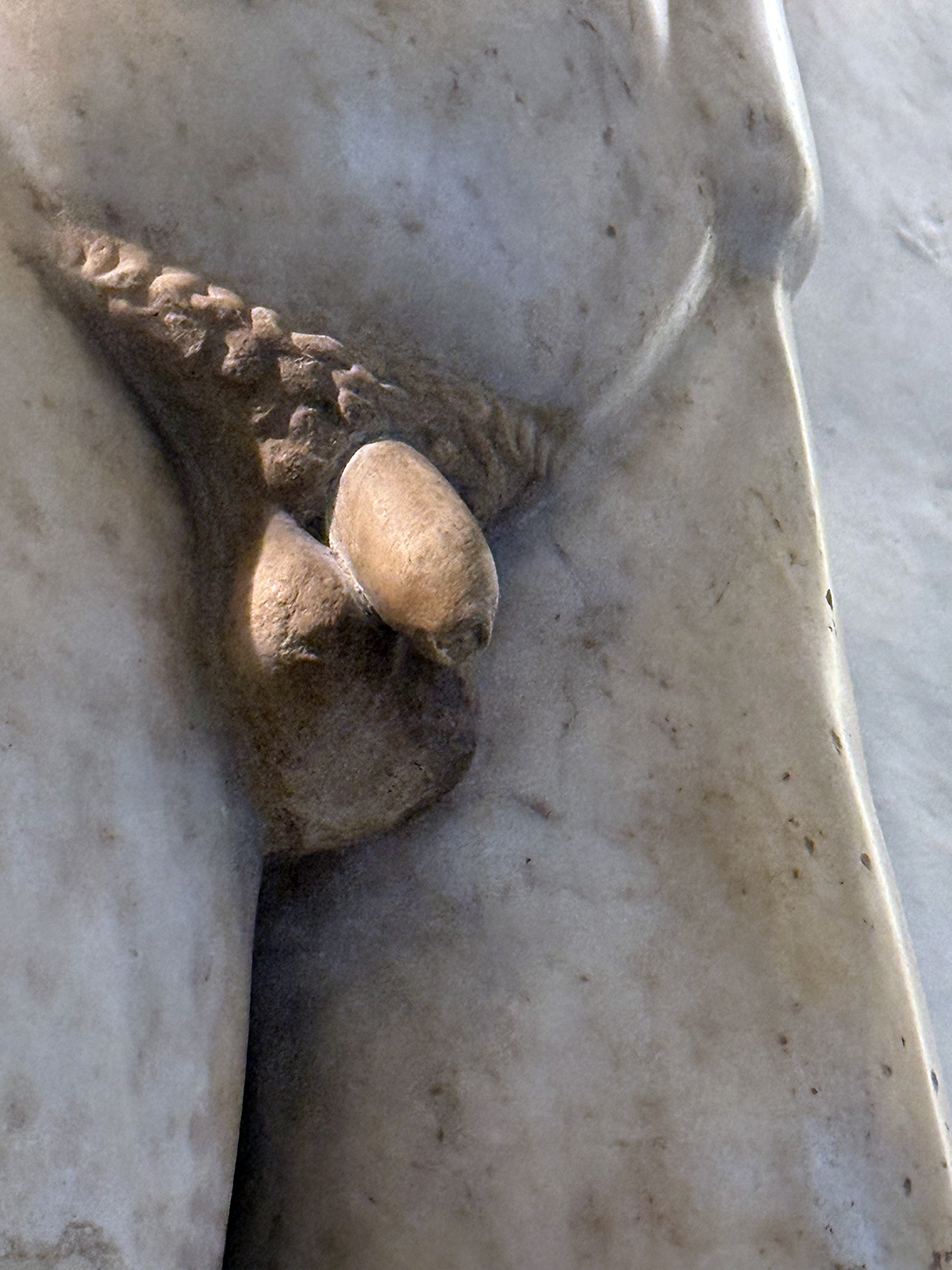
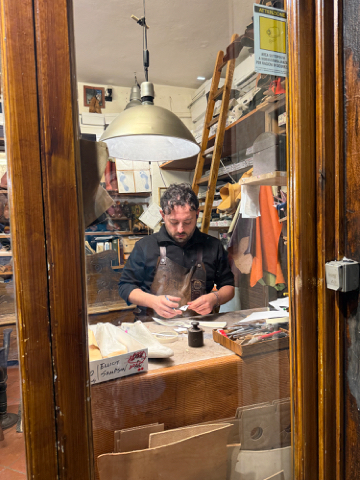
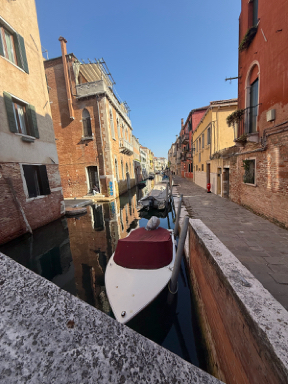
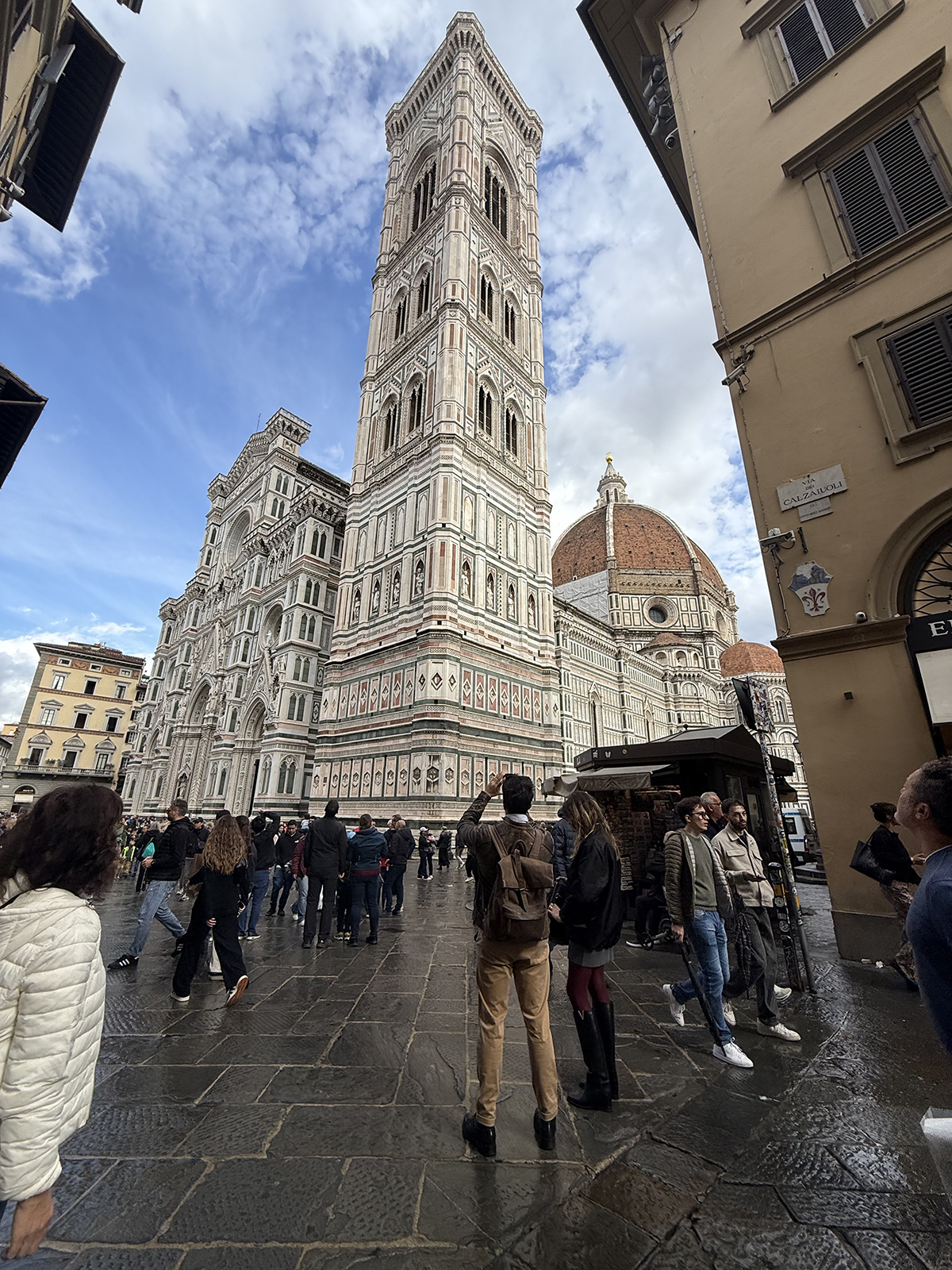
October may be the best month to visit Italy because the weather is still reasonable and the tourists are much fewer in number. Nonetheless, in cities like Florence and Venice you can find yourself shoulder to shoulder with crowds of tourists. At their worst, the busiest avenues will make you feel like you’re at Disney World, queued up for the next ride. I found the gawkers and phone-addicts—stopping for no reason, oblivious to those behind them—maddening.
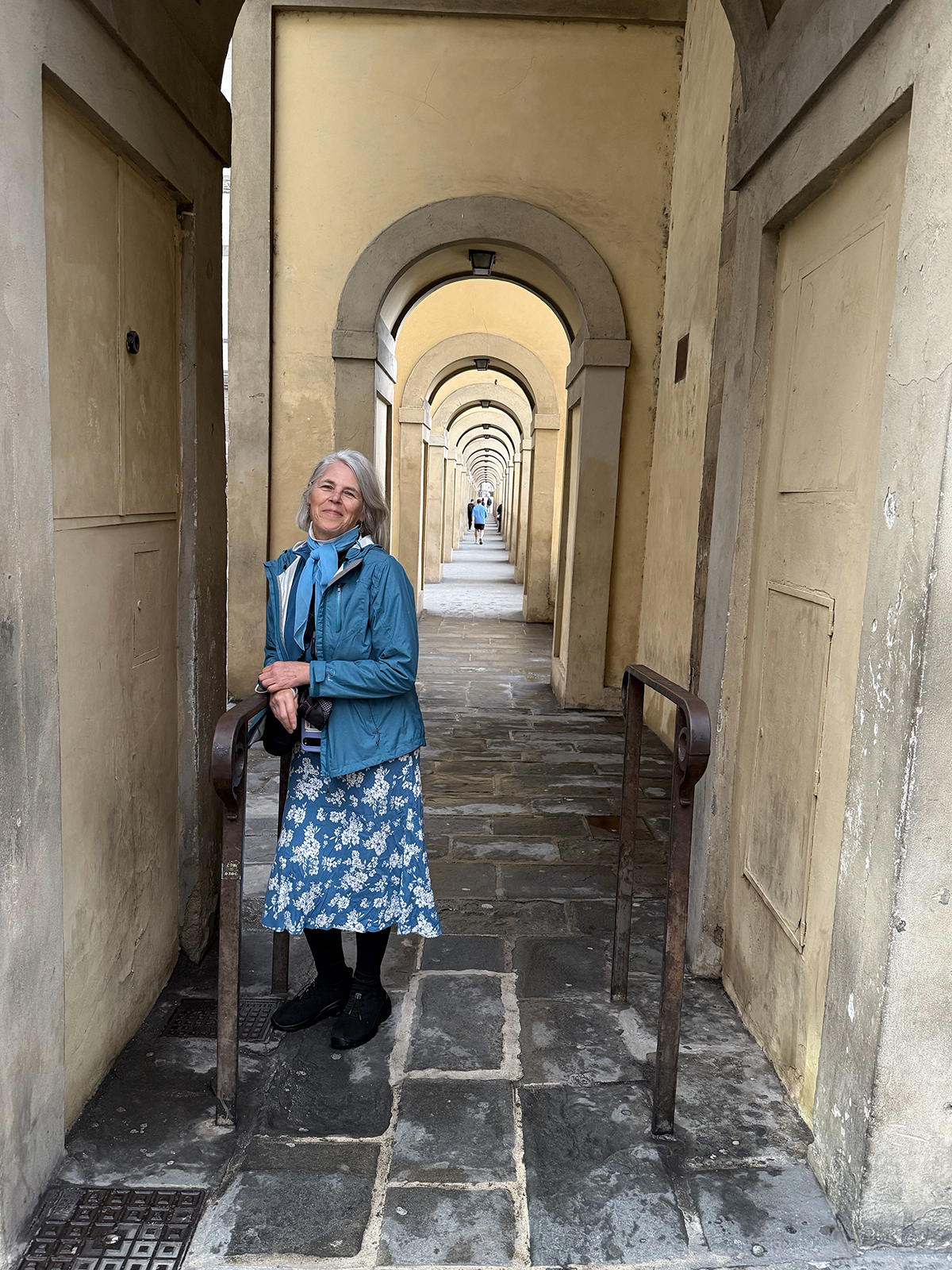
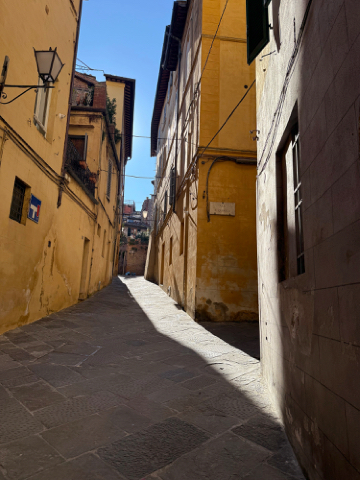
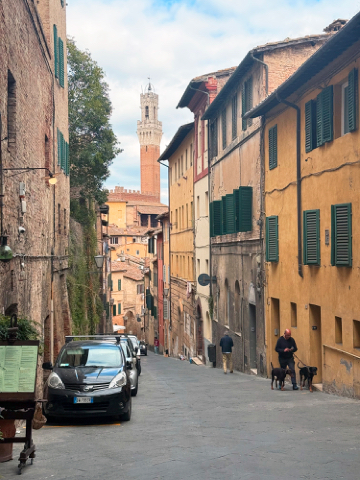
However, get off the beaten track and you may find you have a street or byway almost all to yourself. I don’t know how much we walked every day but we walked a lot. In a small city like Florence, we pretty much covered every quarter, looking for artisan shops. When I returned home, I was startled to discover that I had lost two pounds!
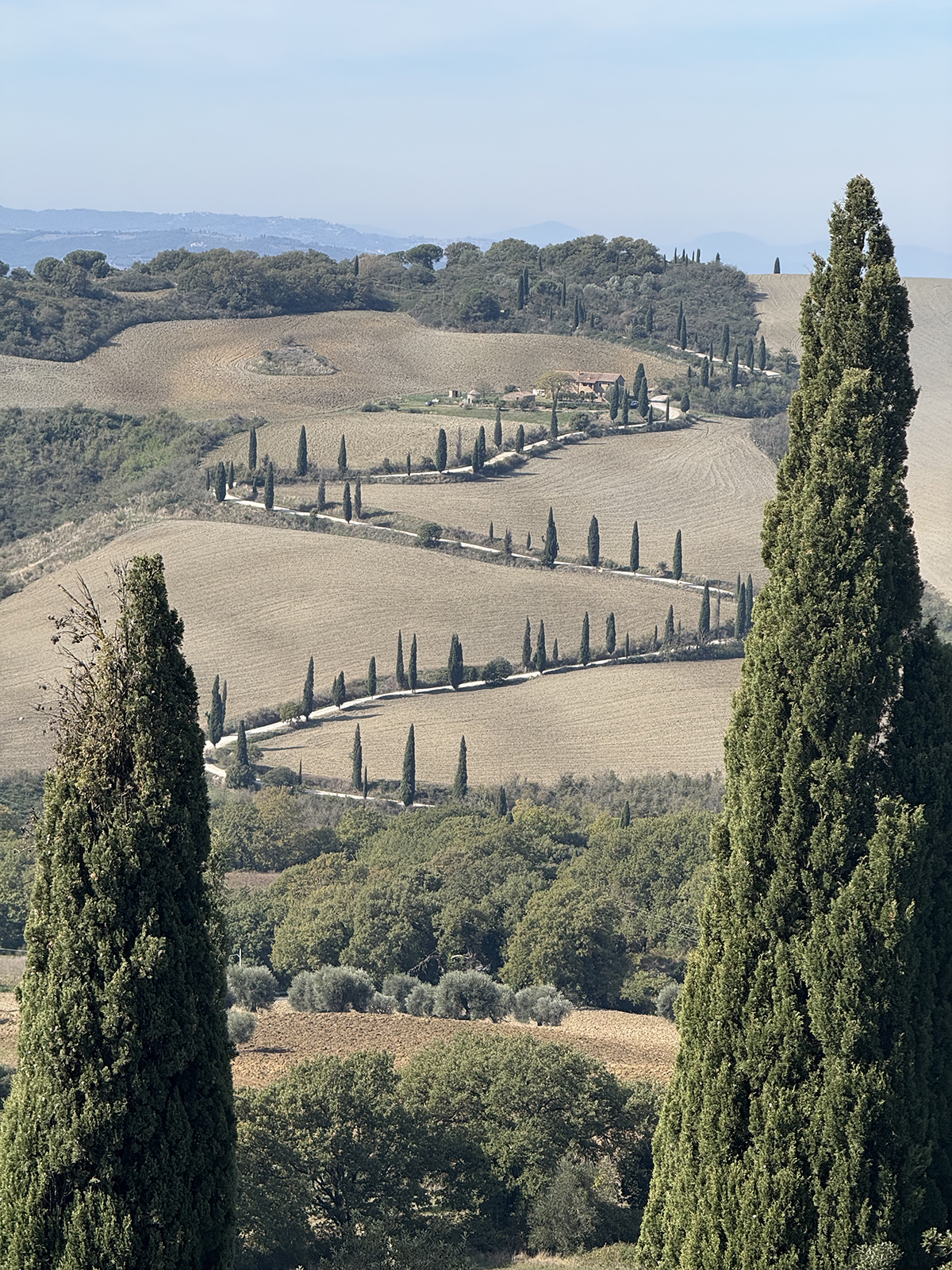
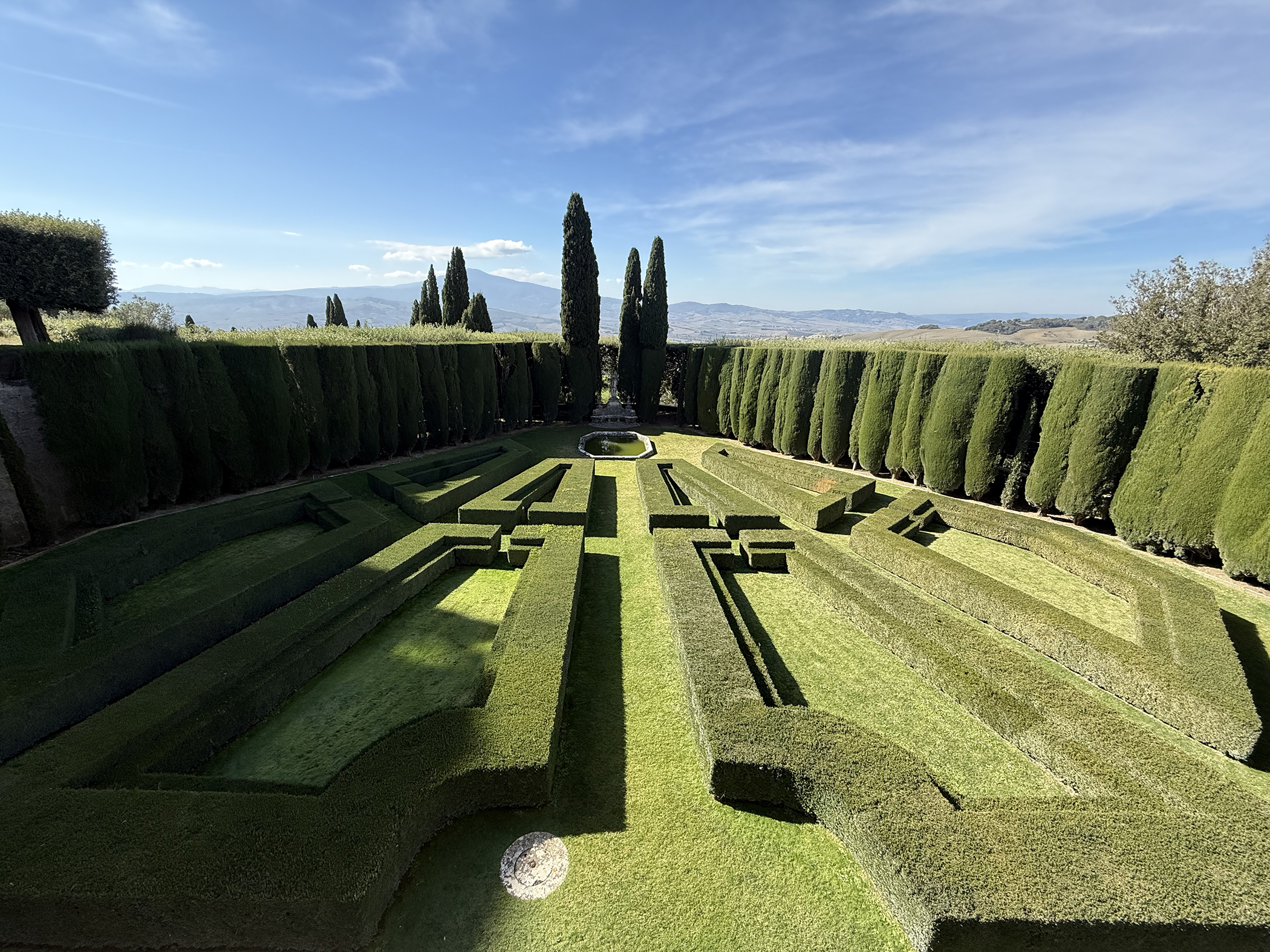
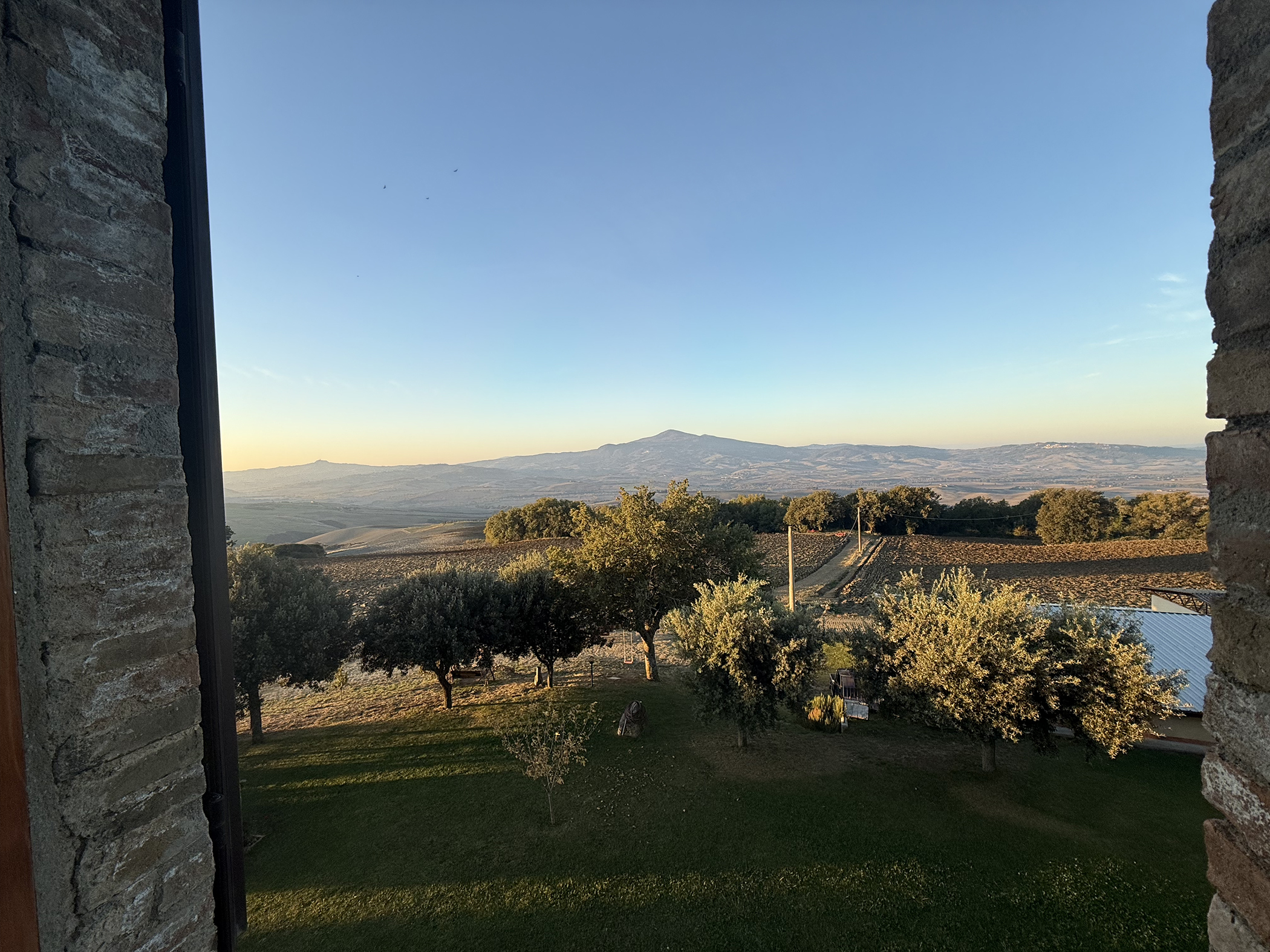
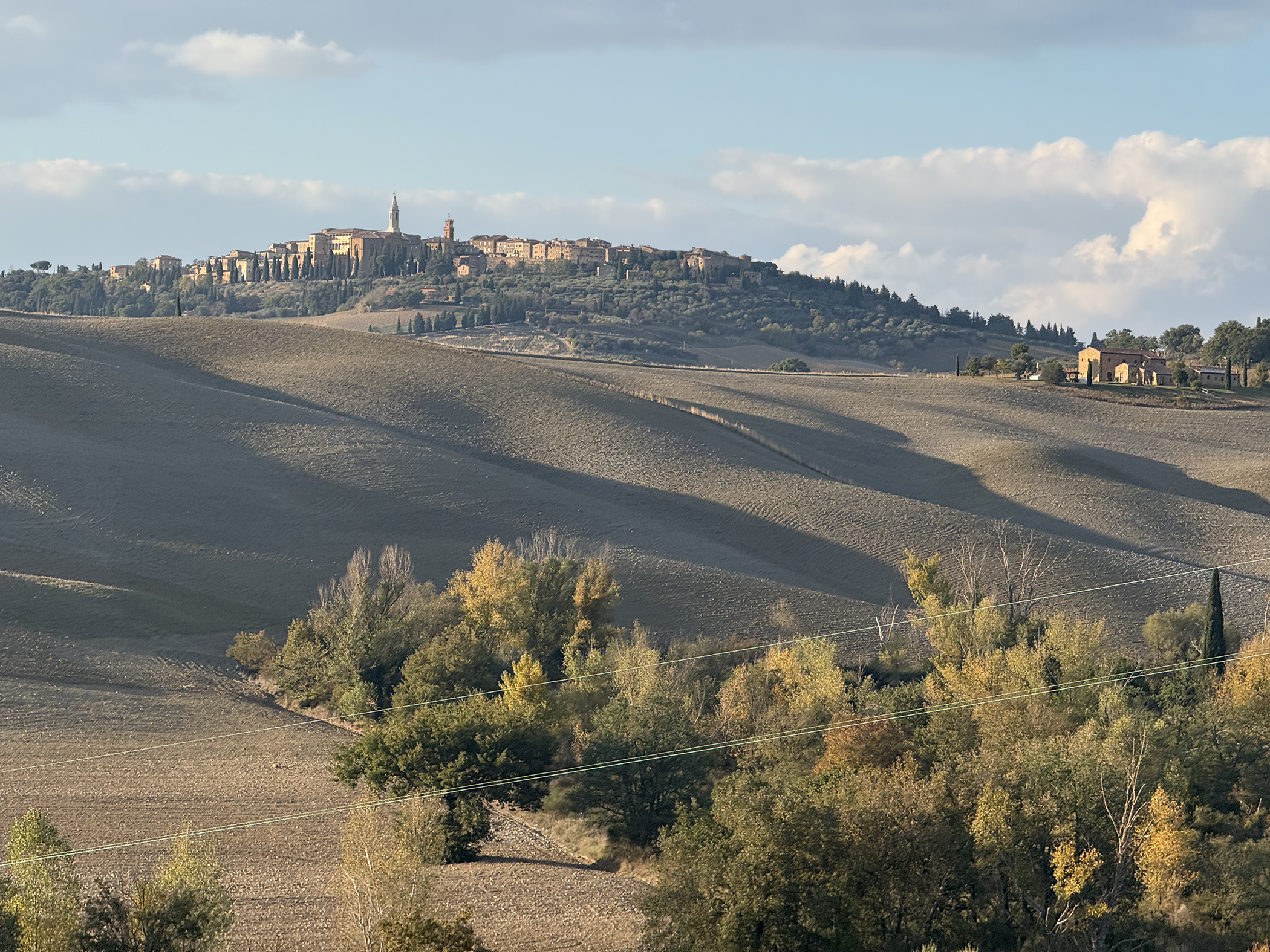
Renting a car is the best way to see the Tuscan countryside. And agritourism may be the best choice for accommodations. We rented a two-bedroom apartment on a Tuscan farm. It had amazing views and was close to the several, famous hill-towns we toured.
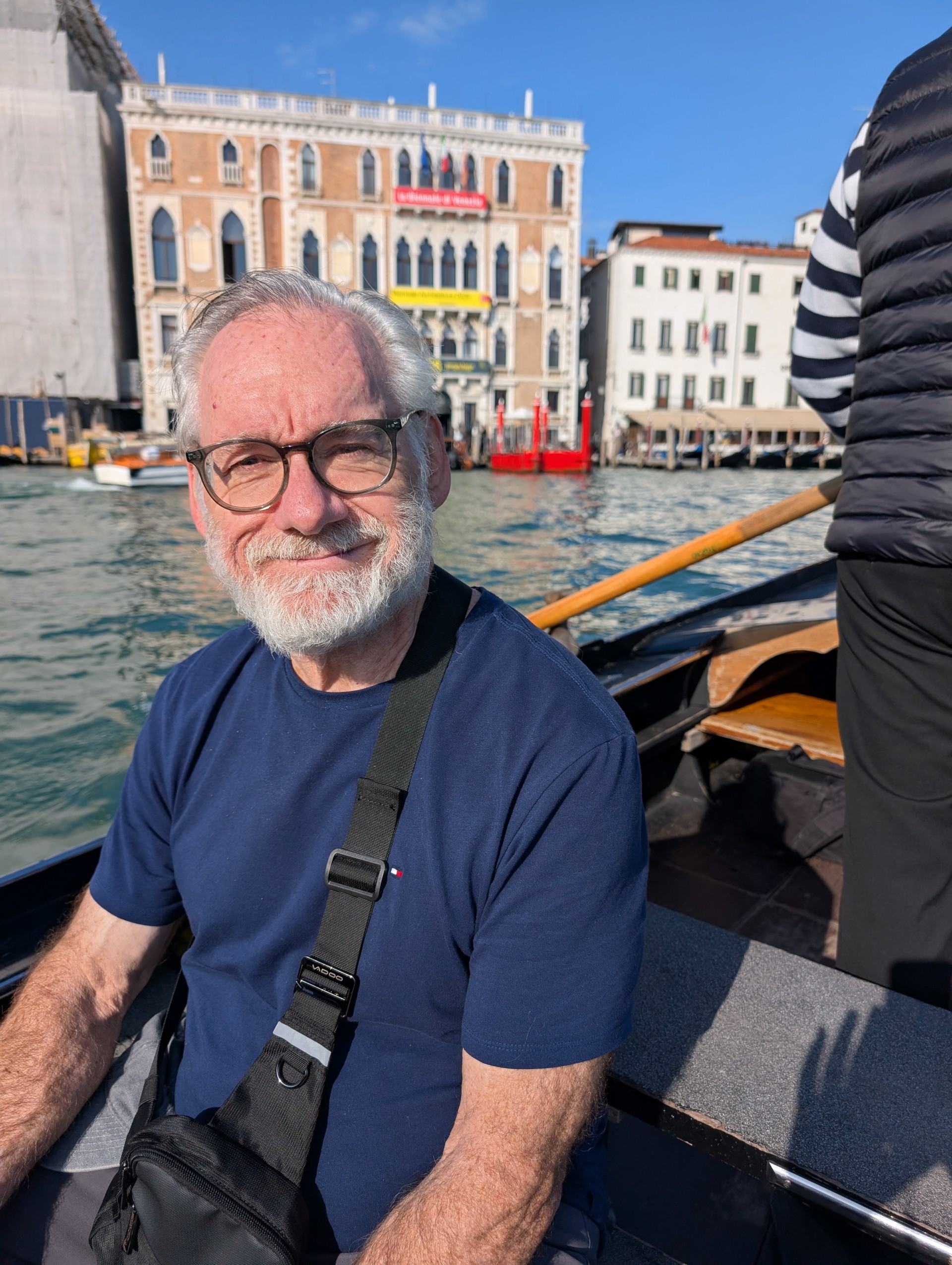
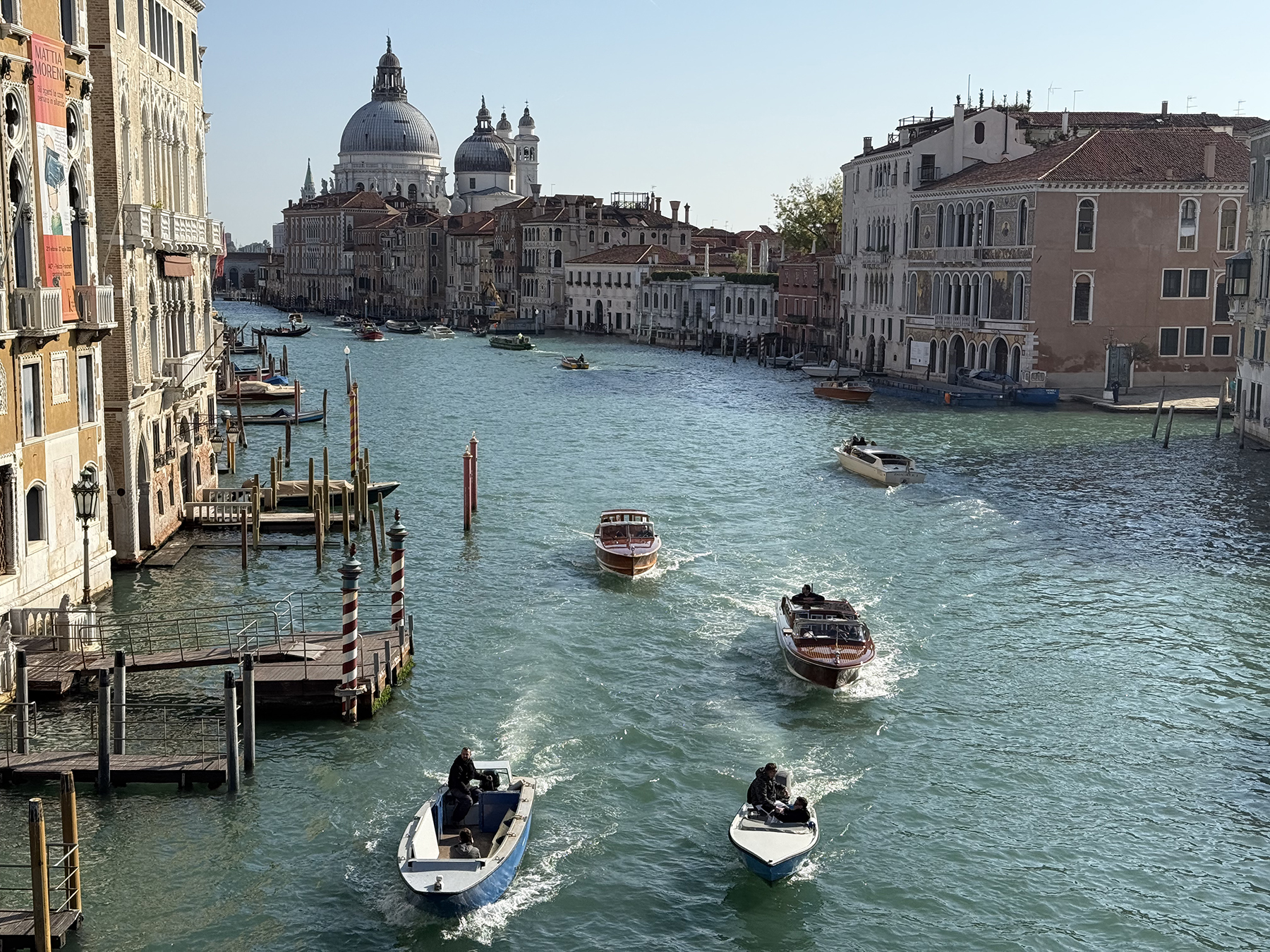
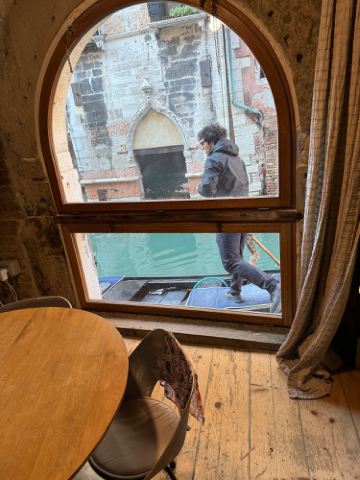
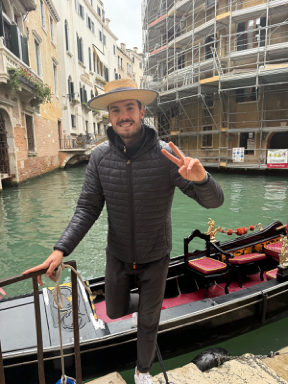
The biggest indulgence was a gondola ride in Venice. Our gondolier was a personable young man who inherited his route from his father. Only native-born Venetians are permitted to become gondoliers. There are about 450, of which only 16 are female.
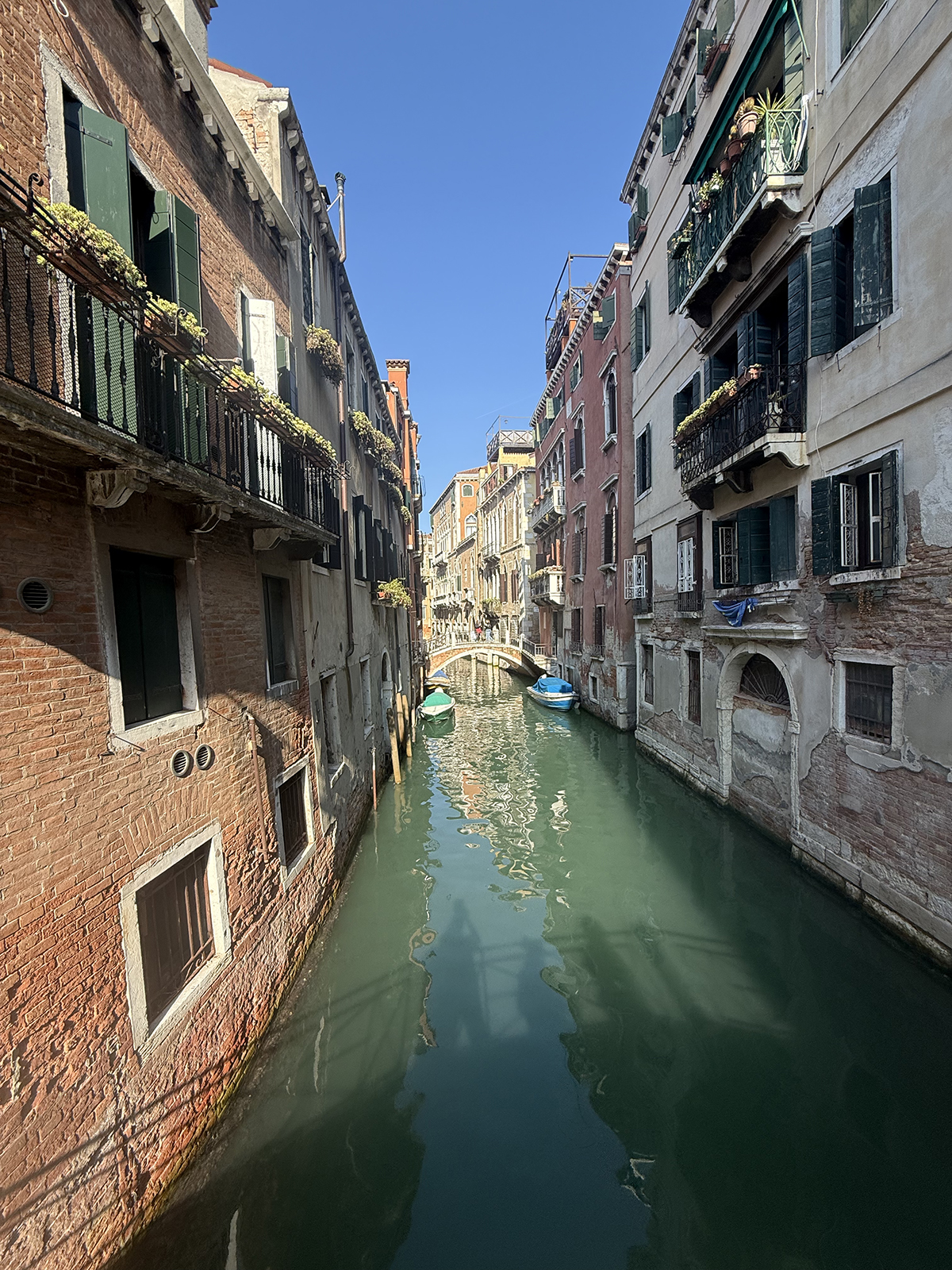
At first, Venice felt overwhelming because it’s a labyrinth of alleys. However, I quickly learned that every alley, every little passageway, is regularly trafficked. There’s nothing to fear because you’re never alone. Every alley leads to something. And bridges, so many bridges spanning so many canals!
What makes Venice uniquely odd is that it’s a wholly artificial environment. The city is perched on an expansive thicket of ancient wooden pilings that were pounded into the marshy lagoon seabed by the Romans—to discourage attacks from the encroaching barbarians. The result is that the sinking city is now wholly dependent on the mainland for sustenance, as everything from toilet paper to beefsteaks has to be ferried in daily. Speaking of toilet paper, sewage is relegated to septic tanks, which have to be pumped out frequently. Every day I found myself walking over a thick black hose that snaked from somebody’s house back to a malodorous service boat in the canal.
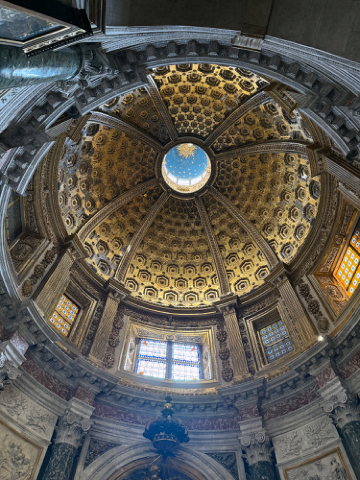
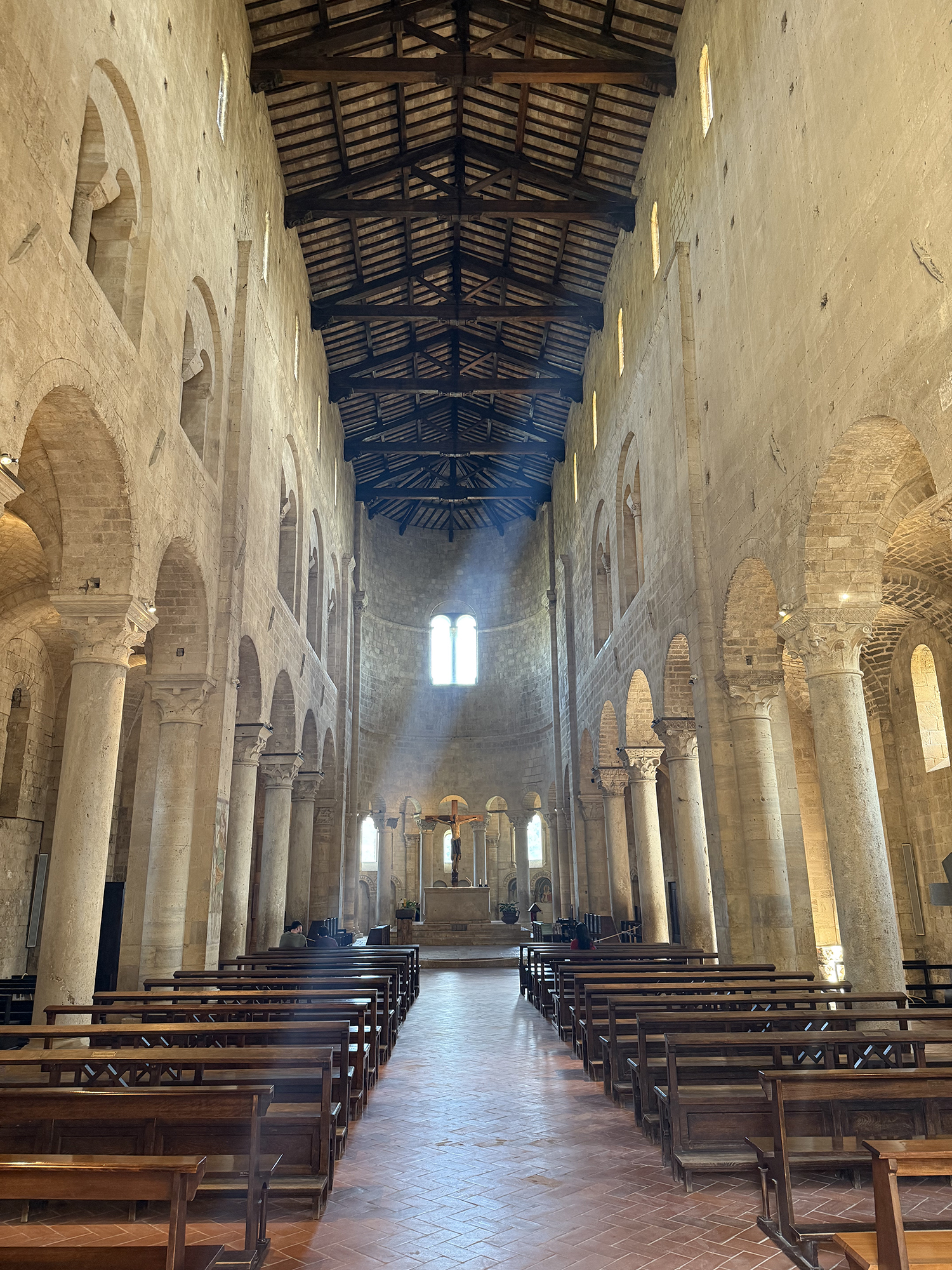
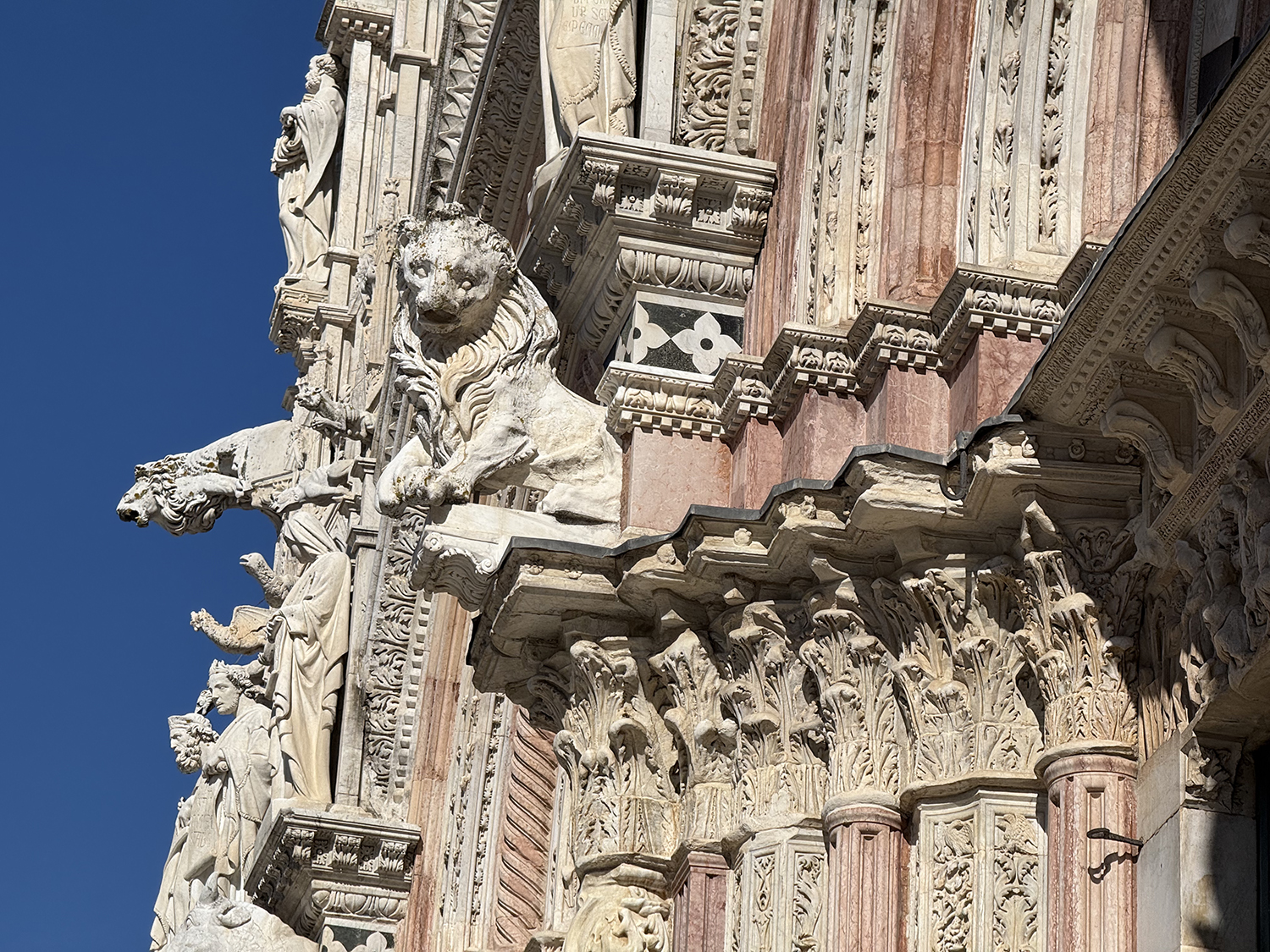
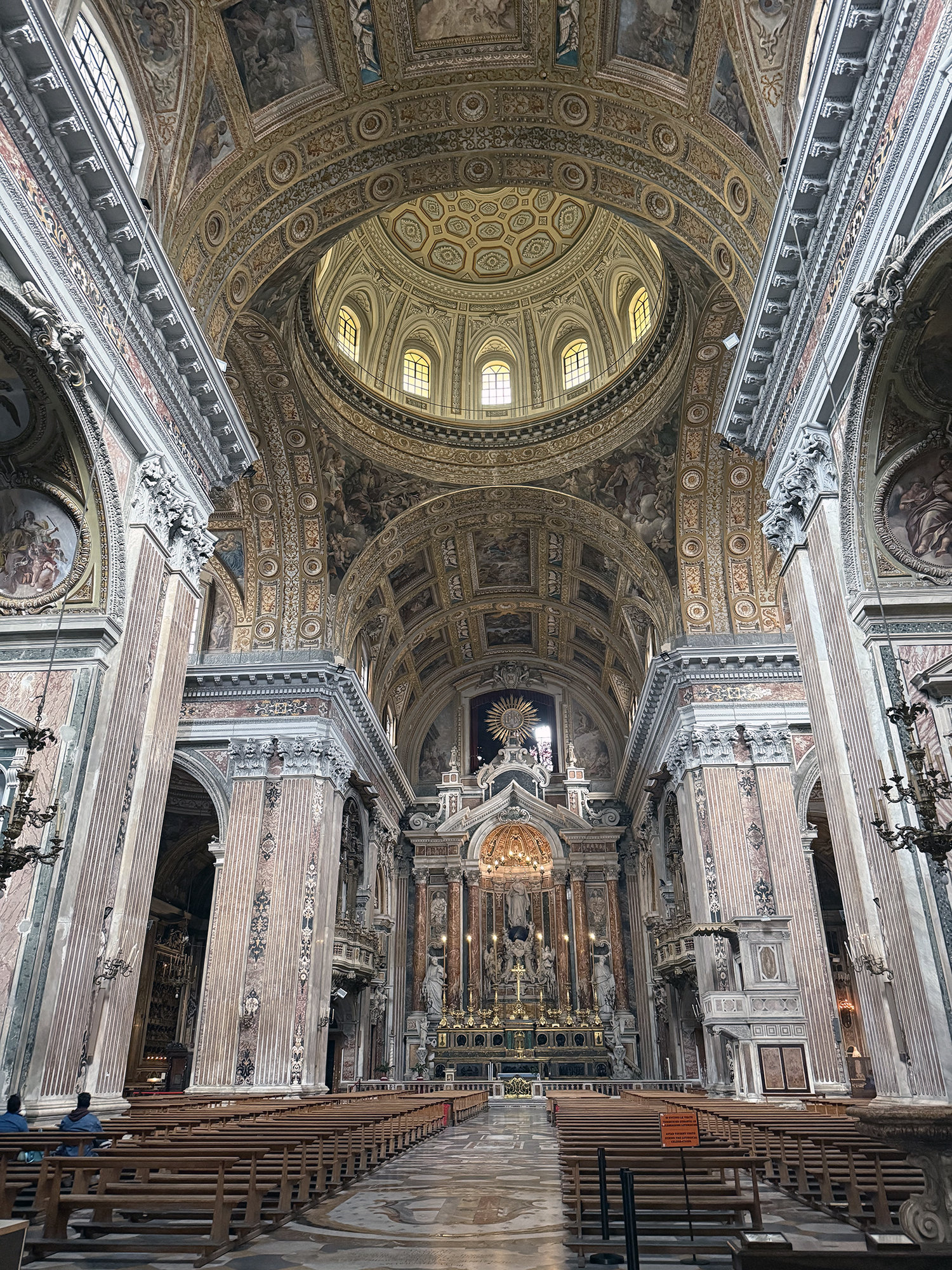
Did we visit museums? Yes. The Uffizi was at the top of the list. And churches? Yes, churches are pretty much on every block. The best is the Duomo in Siena. I had to wonder, if it were not for the voracious vacuum of Catholicism, sucking in all of Italy’s artistic talent to glorify Jesus and Mary, what would the artists have depicted instead? Saint Mark’s Basilica in Venice is a good example of employing too much talent and resources in too limited a space with too limited a subject. It’s remarkably excessive.
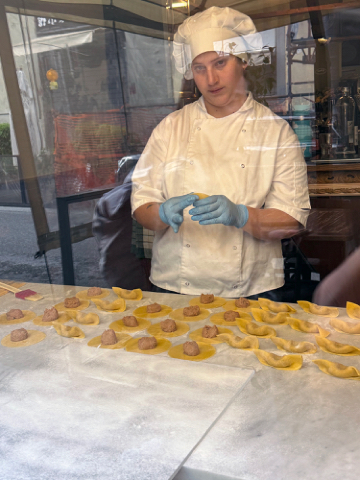
A final word about food: we were drawn to the trattorias and osterias, cozy eateries, often run by a family, with limited seating and a modest menu. They epitomized the pleasures of eating something simple and well-prepared—the kind of cooking I hope to offer in my own home. Since my return, I’m spending a lot of time mulling over recipes. Today I made a bolognese sauce, which I poured over sauteed cabbage. Oh, and sardines, they’re all the rage these days and they’re very Italian. Fresh, filleted, and flash fried. Try that, for starters.