


05 May Unpacking My Library
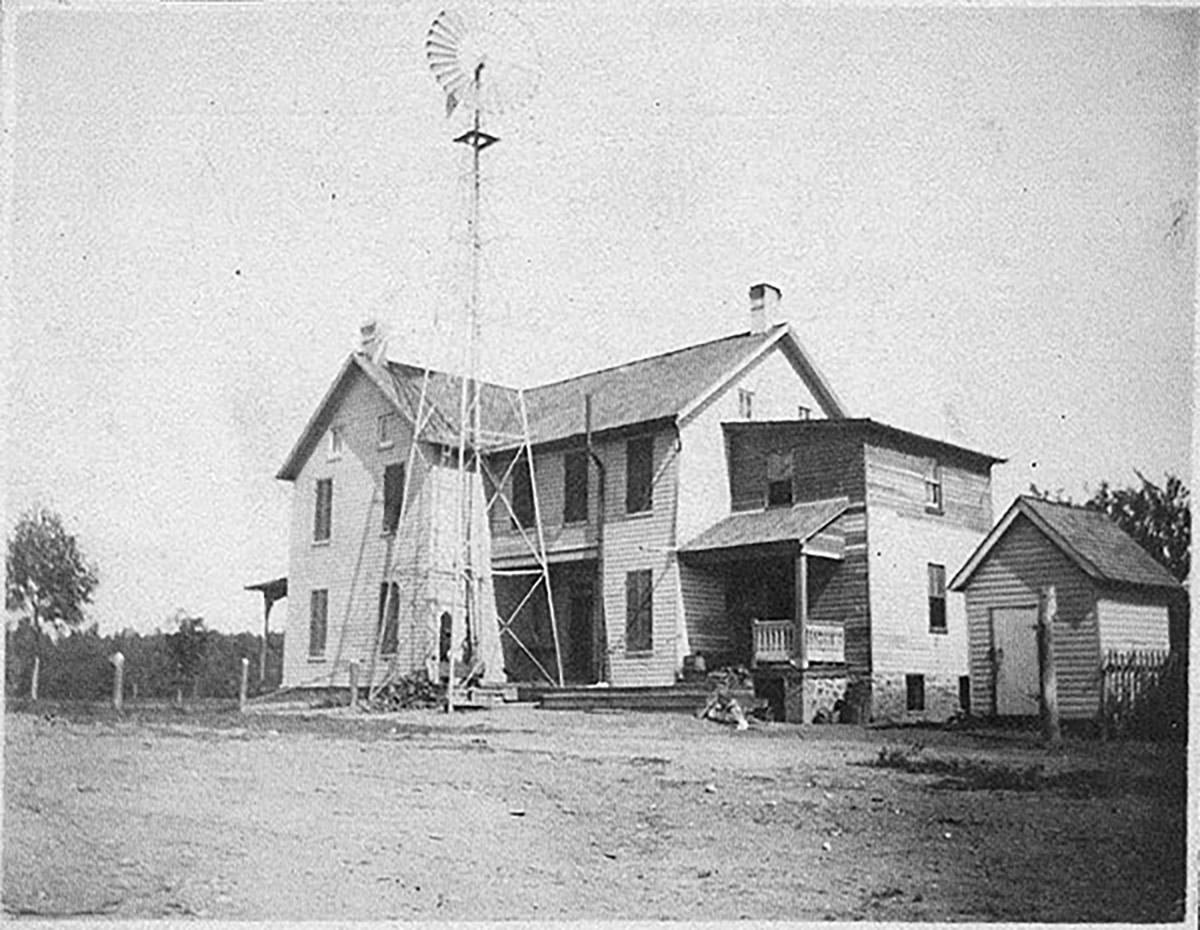
When I bought this ruined farm nearly ten years ago, I knew it’d take a while to settle in. The house was uninhabitable, the fields were jungles of weeds, none of the outbuildings had electricity, virtually every roof on the property needed replacing. And so on. When would I ever have time to read?
Before this, in the three-story Baltimore brownstone I had owned, the pride of my home had been a Victorian-style library I had built myself. It was glorious, crowded not only with any kind of book you might fancy–from early paperbacks to the latest best sellers–but also provisioned with rare books, such as Johnson’s dictionary (second edition), a 10-volume, leatherbound miniature edition of Tristram Shandy, an early geography that shows a map of America that is mostly “Indian Territory.”

I brought all of those books with me to the farm and stored them in sealed boxes on the long (covered) side-porch of my farmhouse, fully expecting to unbox them sooner rather than later. Should I be surprised to announce that only now, ten years in, have I broken into those boxes and reinstated my library? It’s been so long, I’ve forgotten half the books I own. Every other box is a surprise, and I greet each surprise with mixed emotions because, on the one hand, I’m delighted to find another stack of leatherbound, antique books but, on the other, I’m worried I simply don’t have space to shelf them.

I once tried to live without a library. I sold or gave away every book I owned, feeling righteously minimalistic, as I prepared to enter grad school. But, then, within a month of starting my studies, I felt an unassuageable longing for the company of books, their musty, ink-rich smell! Why does the acrid tang of decaying paper seem to me like perfume? By the way, if you’ve ever wished you could bottle the smell of old books, you’re in luck because somebody has done just that: https://www.cbihateperfume.com/306 “

I’ve always been drawn to books. Which is not the same as saying I’ve always loved reading. As far back as I can remember, the book as artifact–the book as furniture—has been integral to my sense of comfort and my vision of home. I put together my first library as a high school freshman. I lived in a sterile late-1960s neighborhood of split levels, where nothing looked unique or interesting. I often fantasized about the antique house I would one day own—it would have books, so many books. In the meantime, I found consolation in my small library, a wall of books that was for me a kind of escape pod, a transport to better places.
The massive library I built for myself in my previous home was a pre-internet collection, which is to say I owned many books that are now obsolete. A bibliophile may ask, Could any book be truly obsolete? Alas, yes. A set of Encyclopedia Britannica from the 1990s. A compendium of scientific terms, published in 1960. A book on grammar and usage, dated 1890. If the book is truly antique, such as any geography prior to 1820, I keep. But a multi-volume stack of Thackery’s complete novels, from 1900? That’s neither historically interesting reference nor is it must-have pleasure reading.
I have given away boxes and boxes of books, donating the best of them to the Book Thing, Baltimore’s beloved repository of orphaned books. If you haven’t been there, please check them out (no pun): the books are free. https://bookthing.org/”
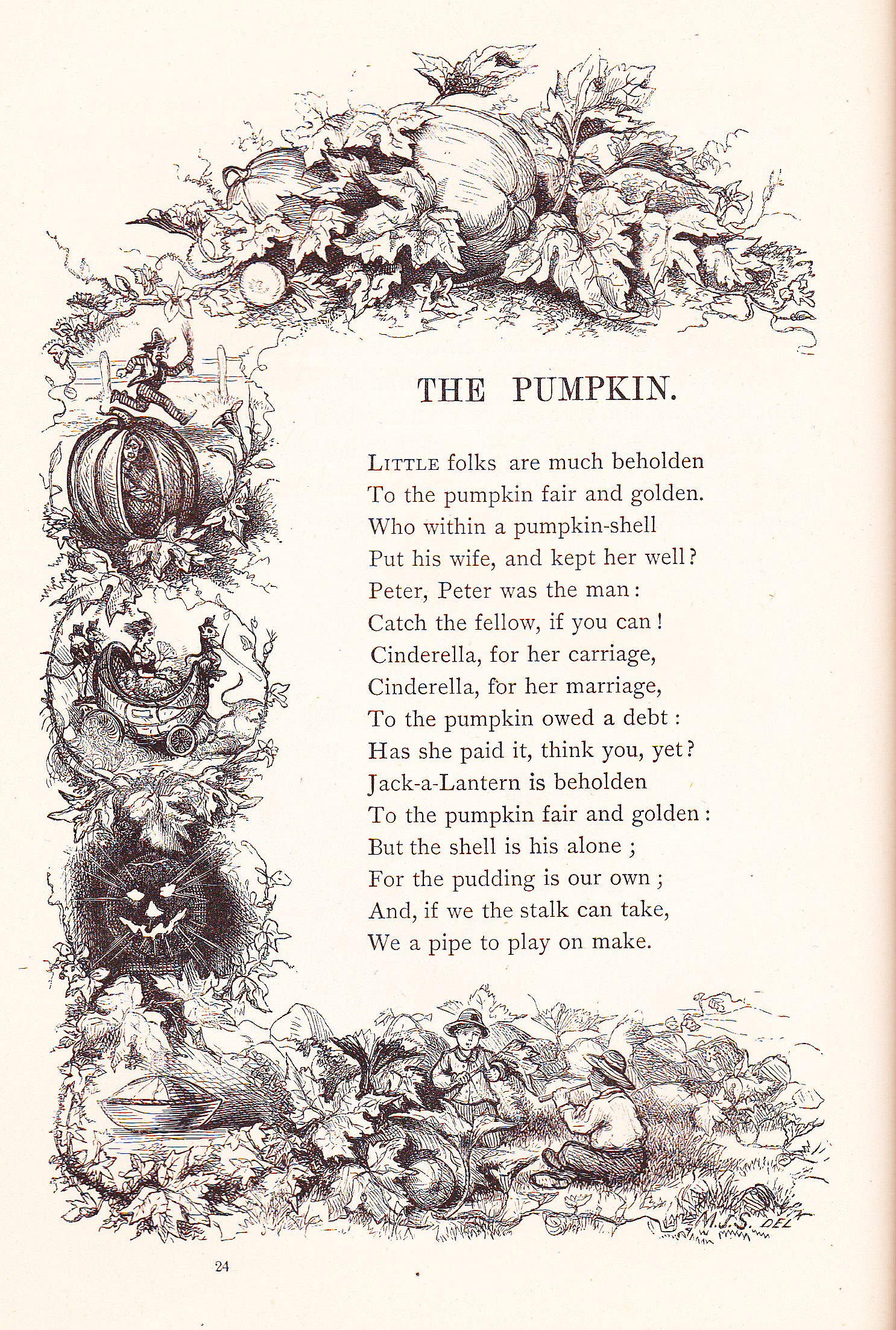
I collect children’s books because I enjoy the illustrations and enjoy, even more, seeing how children lived back in the day–or how they were encouraged to live. Here are a few sample pages from the 1800s:
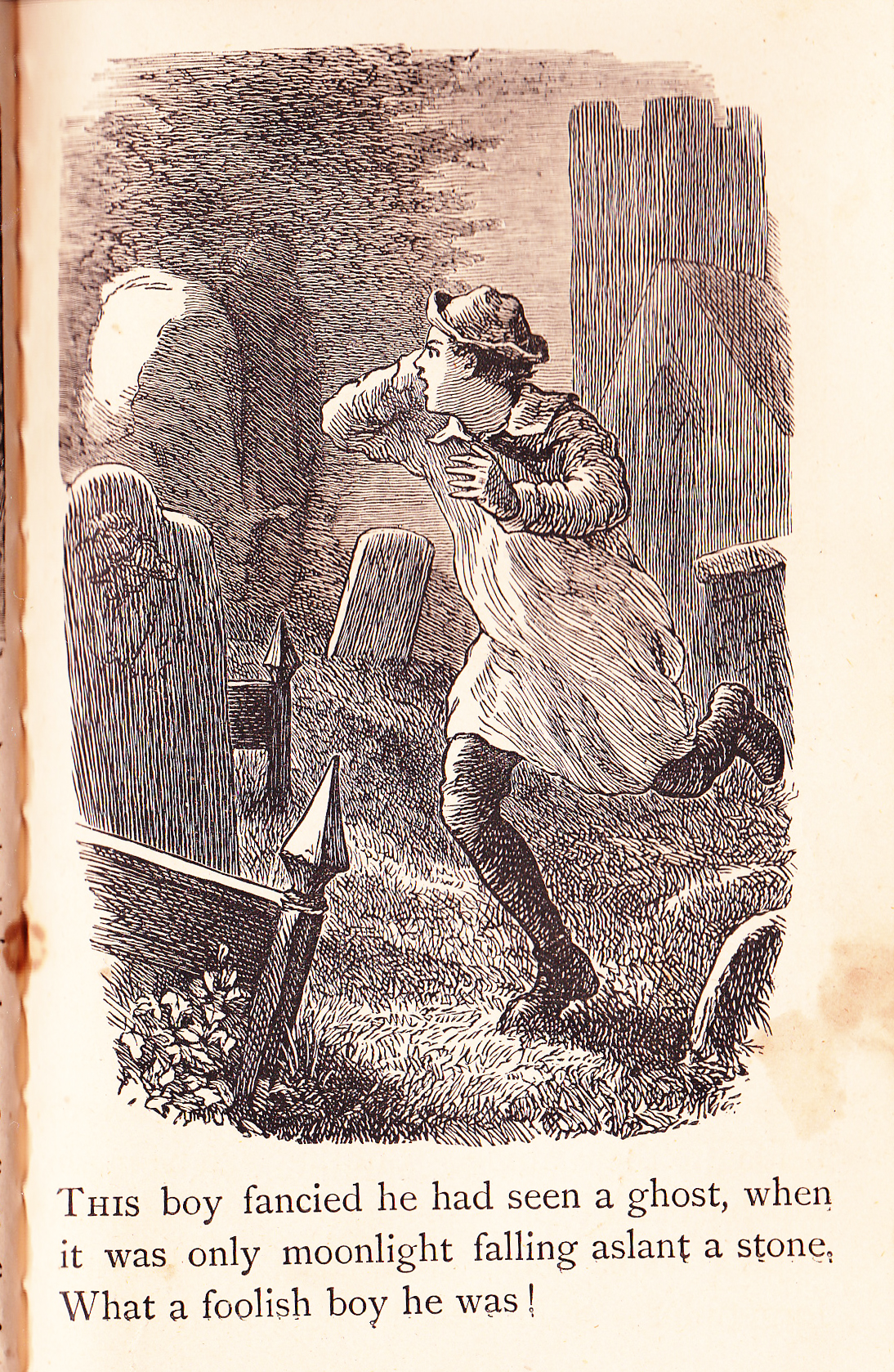
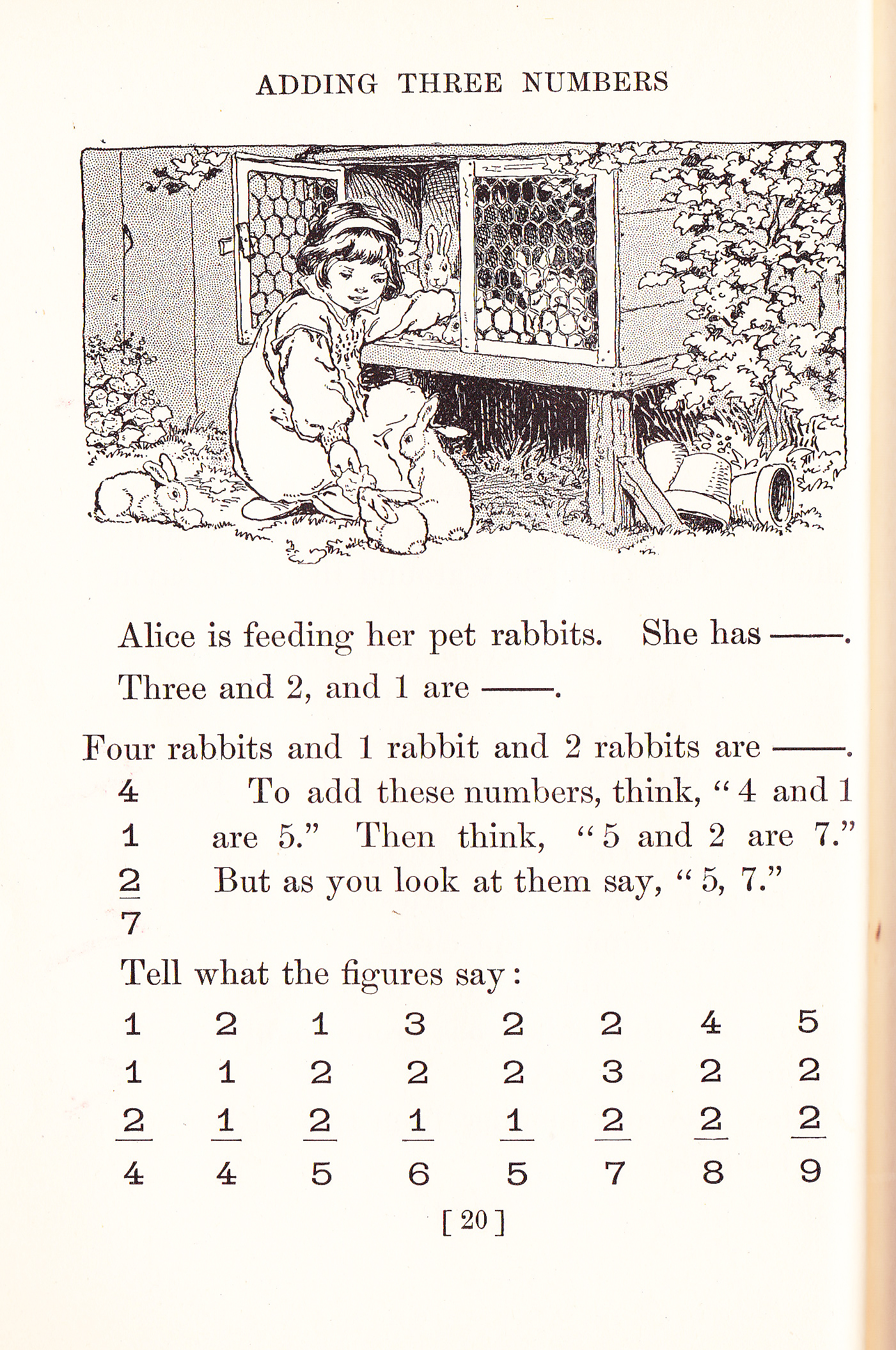
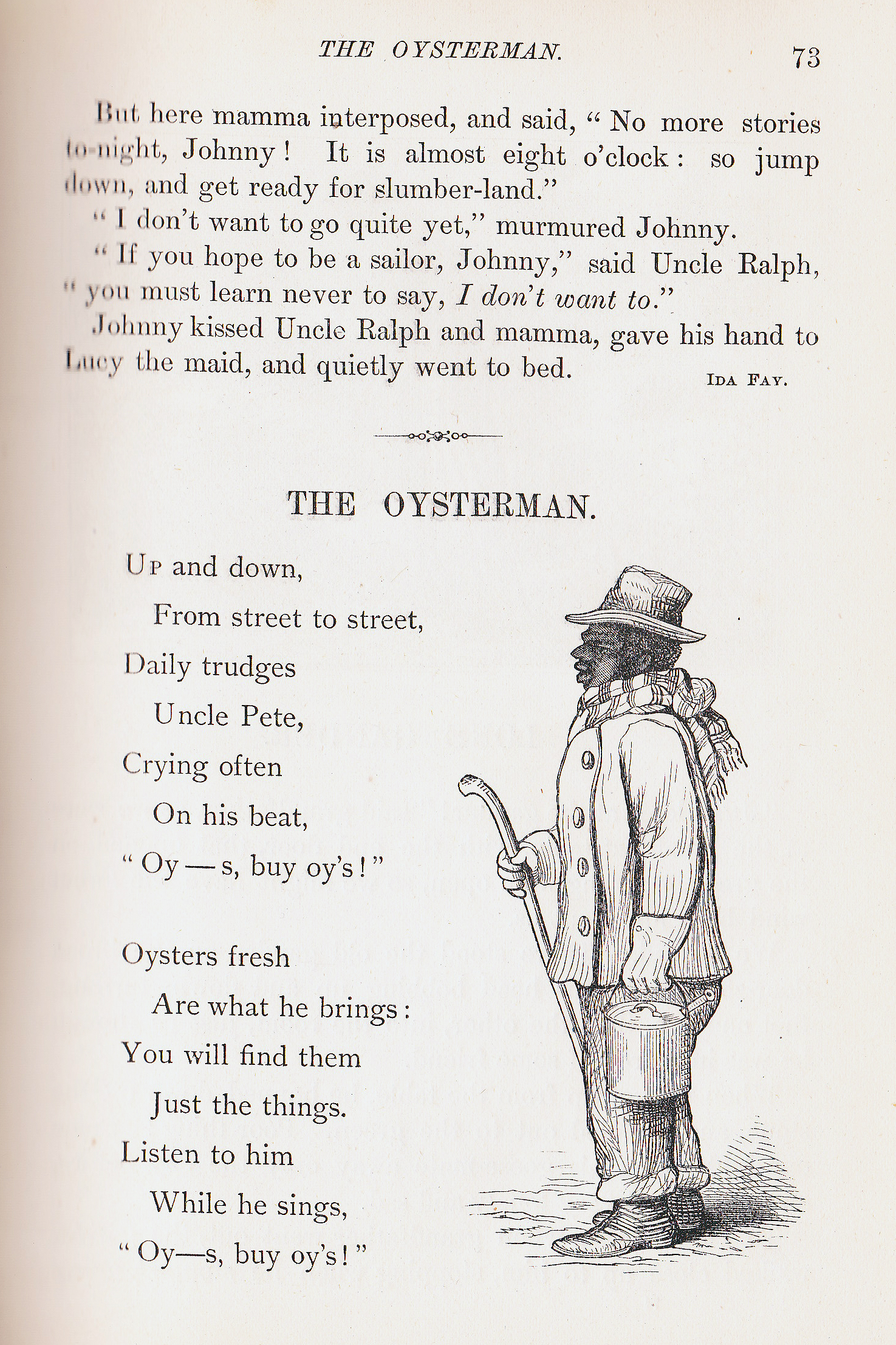
You can’t keep everything. That’s life’s hard lesson. In my ladened pickup truck, I drove three complete sets of Encyclopedia Britannica to the dump. An 1890s edition, a 1930s edition, and a 1990s. There was a time when the thought of dumping these sets would have appalled me. But my advancing age makes me more realistic. Nobody wants an old encyclopedia. Nobody can use it, not to mention that most people don’t have that kind of shelf space. You have an encyclopedia in your phone.
But don’t despair. I have more interesting books. The 1911 Encyclopedia Britannica is famous for its now-renowned contributors, like Albert Einstein, and its stylistic elegance. Sir Kenneth Clark celebrated its uniqueness as follows: “One leaps from one subject to another, fascinated as much by the play of mind and the idiosyncrasies of their authors as by the facts and dates. . . . When T. S. Eliot wrote ‘Soul curled up on the window seat reading the Encyclopædia Britannica,’ he was certainly thinking of the eleventh edition.” Wikipedia notes that it was one of Jorge Luis Borges’s favorite works and was a source of information and enjoyment for his entire working life.
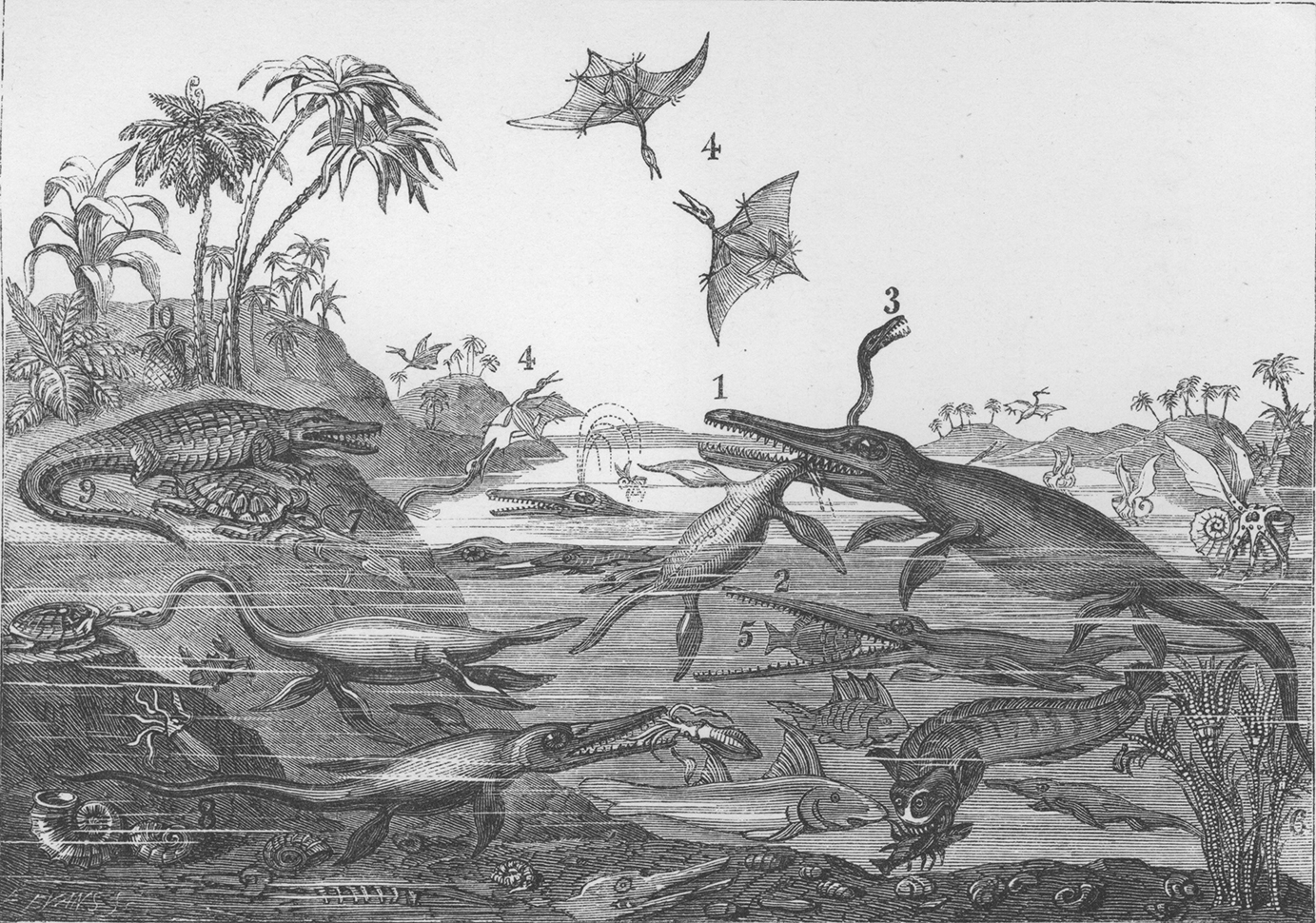
Early scientific texts fascinate me, especially those having to do with evolution and the notion of deep time. From 1800-1900, you can trace the growing awareness and then irrefutable acceptance of newly discovered dinosaur bones as indicators of an ancient Earth we were only just starting to understand. The impact of this discovery was no less earth-shaking than the Copernican theory of our solar system. It stood contemporary theology on its head.
Mind you, I stopped collecting books years ago. Well, yes, I buy new books by the dozens and could spend the rest of my days reading books published by writers simply in my circle of friends and acquaintances. I confess that, on occasion, I will buy an old book at auction. Antique dictionaries: I can’t get enough of those,
As you may have apprehended, my library is mostly about reference. I’ve never collected first editions of novels or antique fiction of any kind: too expensive. However, I did inherit an extensive collection of twentieth-century fiction (hardbacks) from Jill, my late wife. Those are upstairs. Tn the main, though, if you’re looking for fiction on this farm, you’ll have to visit the libraries I’ve installed in my guest cottage and barn apartment (both of which are short-term rentals).
The library in my farmhouse is filled with curiosities meant for browsing and pondering. I have miniature books as small as a wristwatch bezel and folio-sized volumes as big as bistro tables. The Penny Cyclopedia (1850), a resource Melville used (and, some say, plagiarized) when he wrote Moby-Dick. A small volume entitled “The Universal Letter Writer” (1809): “Letters on Duty, Amusement, Love, Courtship, Marriage, Friendship, Trade, Religion, and Other Useful Subjects.” A book called “Save the Girls,” about reforming wayward women, including one chapter on “The Evils of Dancing.” How about “Washington’s Farewell Address to the American People,” published shortly after he delivered it in 1796? Behold an honest man who voiced a resounding “No!” to the prospect of becoming our nation’s first king!
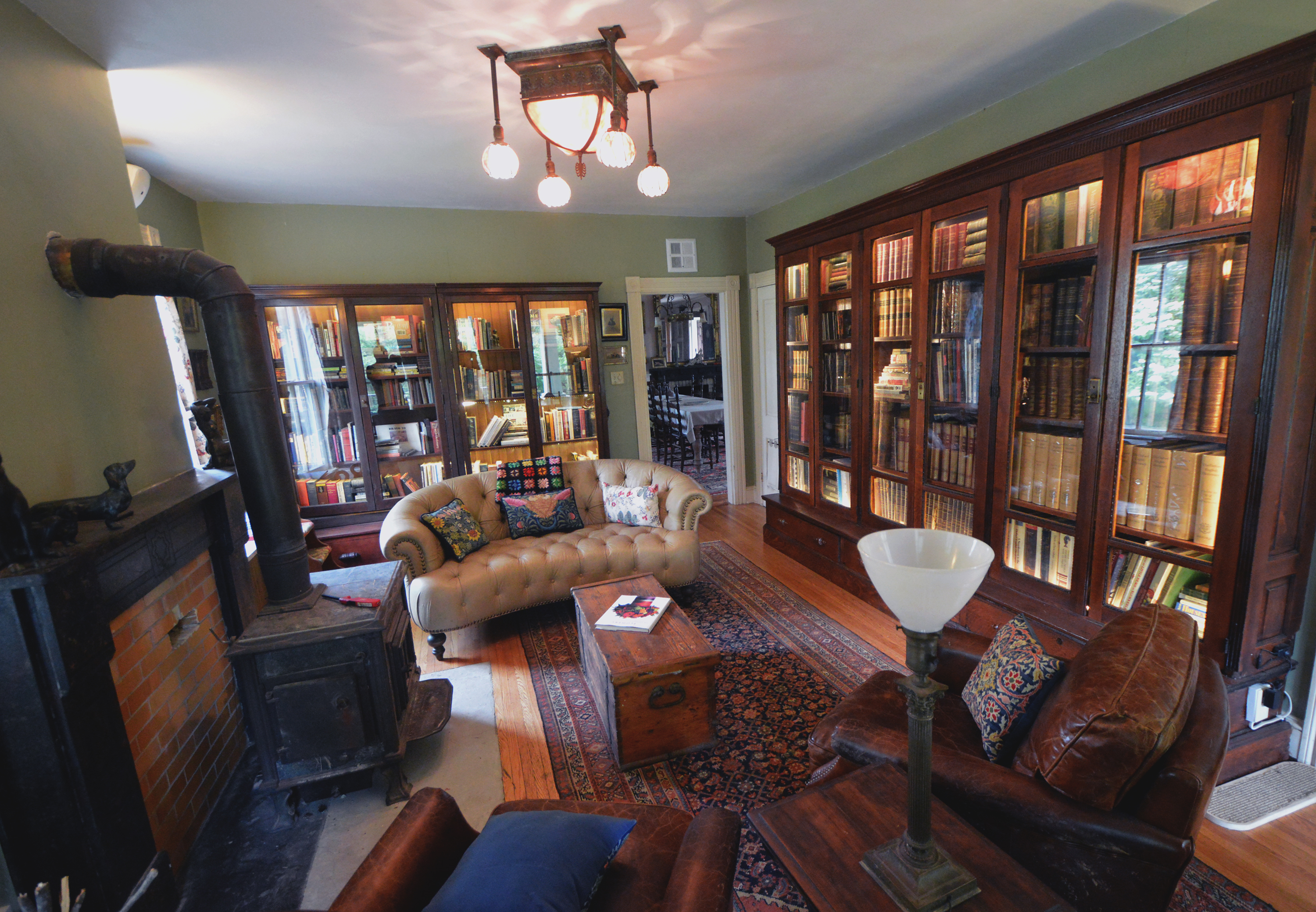
In our now, too-fraught world, nowhere do I feel safer and—dare I say—more cared for than here, in my library, surrounded by so many bright, inquisitive voices who, perhaps beyond their own imagining, have survived to share their doubts, their thrills, their discoveries, and their secrets with the likes of me.